The Victorians assigned every flower a meaning and then argued about it for decades. Most of that system is trivia now, but a few meanings stuck hard enough that getting them wrong is still noticeable.
Here's the short version we use at the bench: what's safe, what to avoid, and what matters more than all of it.
The meanings that still hold
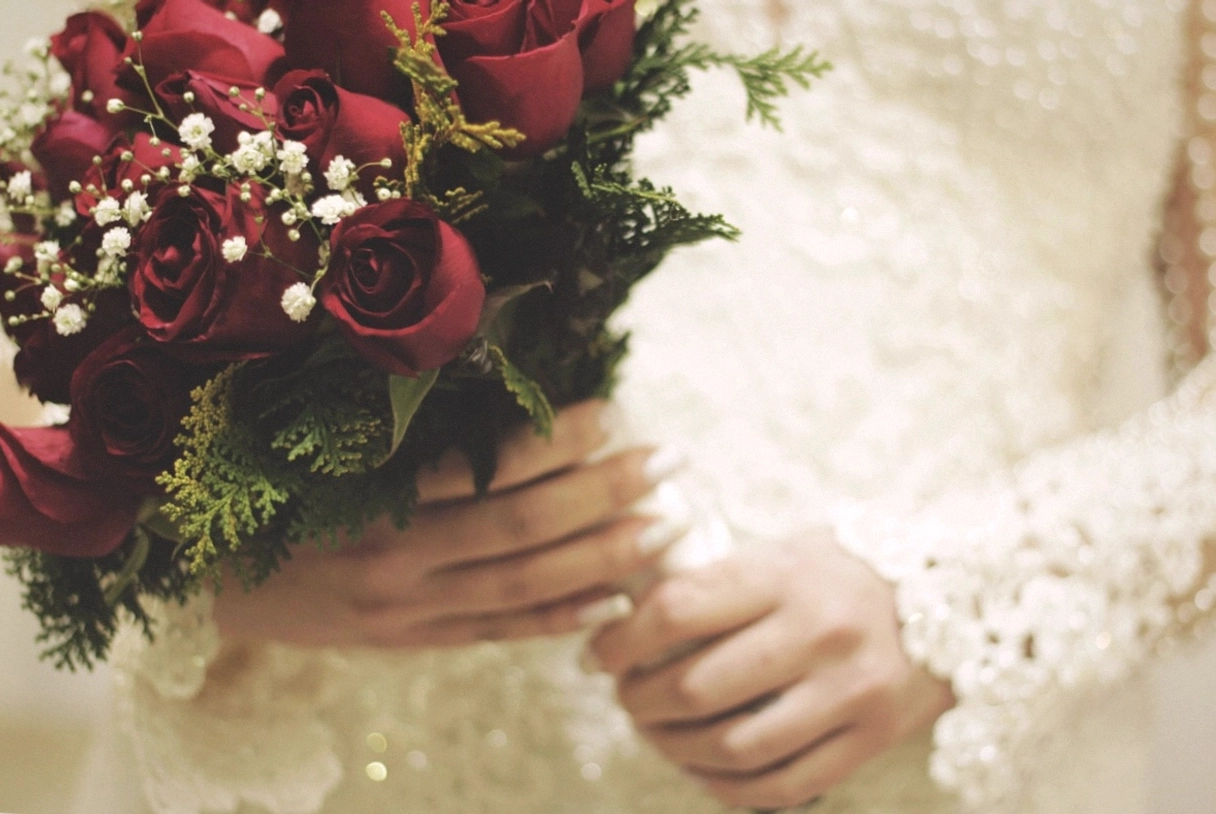
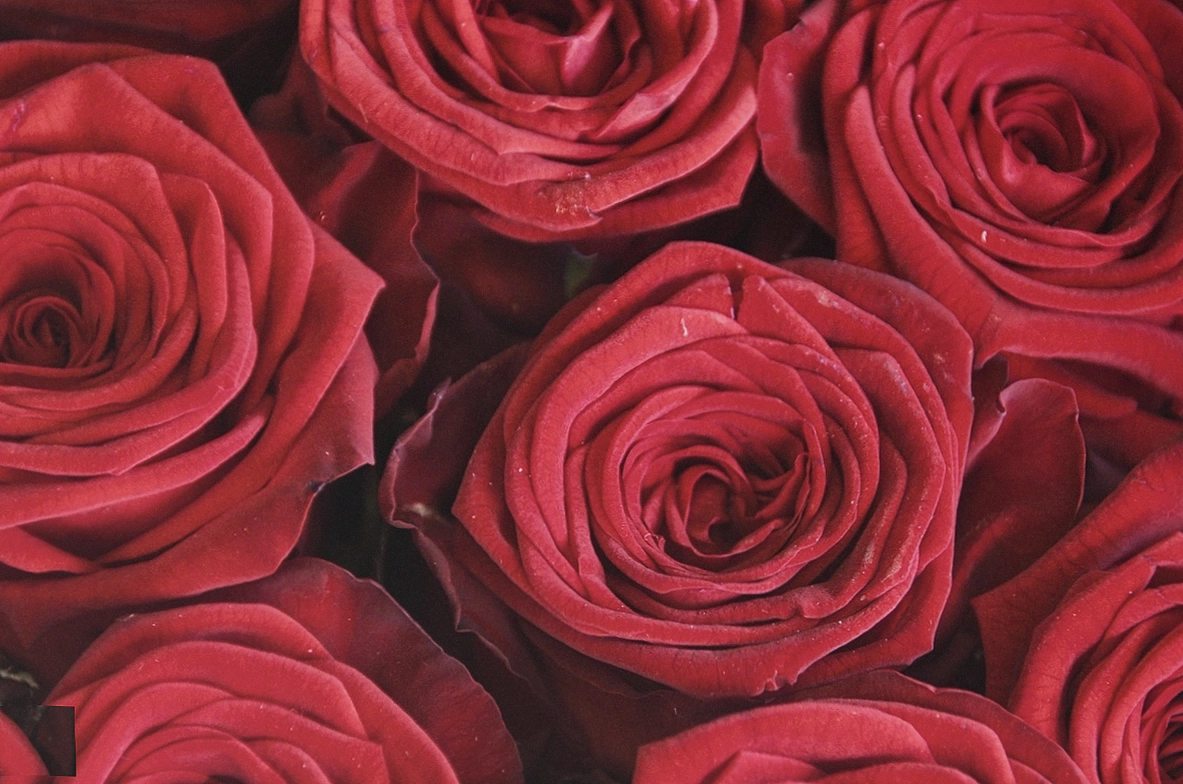
Red roses say romance, loudly: right on anniversaries, weird on colleagues. White lilies read funereal to many people; beautiful flower, wrong context for a birthday. Sunflowers say uncomplicated joy, almost impossible to get wrong. Peonies mean good luck and a happy life, the all-purpose "I wish you well".
Yellow roses are friendship in most modern readings, though an older meaning (jealousy) still floats around. We'd only avoid them for someone traditional enough to know that. Chrysanthemums mean grief in parts of Europe and Asia, a real consideration for international recipients.
The rules you can ignore
Carnations as an insult went out decades ago. They're having a legitimate renaissance because they last forever and come in gorgeous dusty tones. "Mixed bouquets mean nothing" was invented by people selling roses.
And the colour-code obsession, exact shades encoding exact sentiments, mostly lives in listicles, not in how real people receive flowers. Context beats code every time.
The one real rule
If they love it, it means what you meant. A favourite colour overrides every dictionary.
What actually says the thing
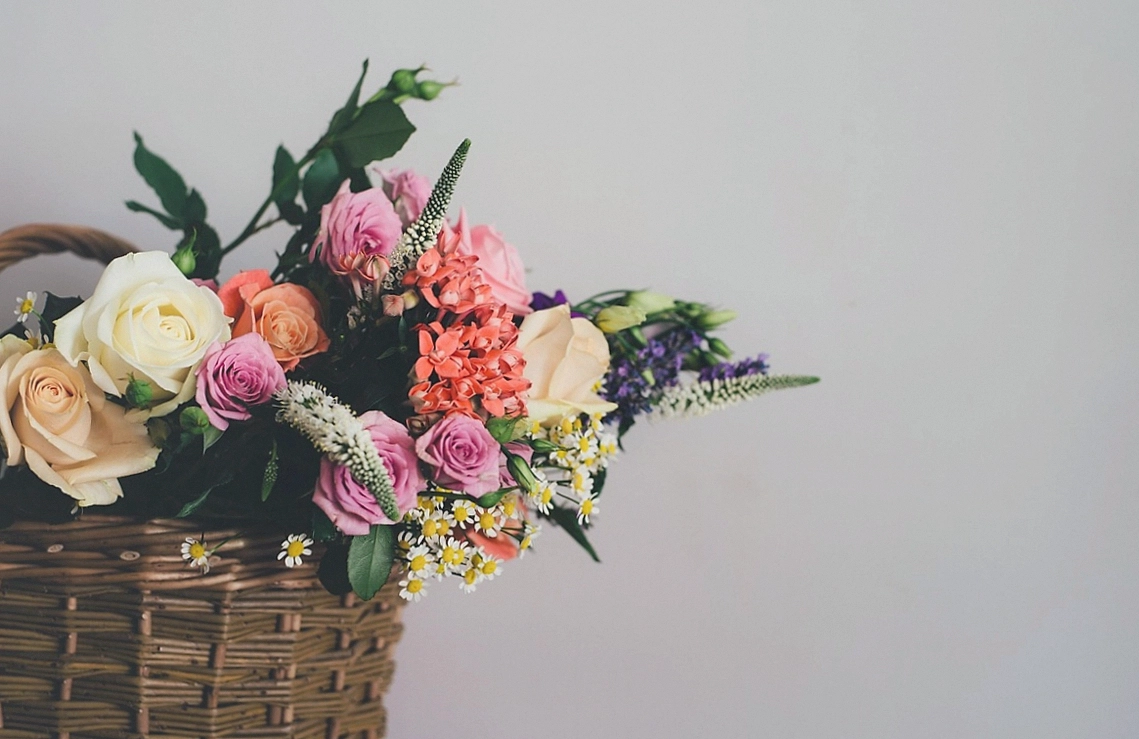
Meaning lives in the specificity, not the species. A bouquet of their favourite flower says "I know you". A bouquet in the colour of the room it will sit in says "I pay attention". A bouquet that arrives on a random Tuesday says "I thought of you for no reason". Which is the best message there is.
More from the bench
Send the message in flowers.
Custom bouquets from $55, same-day Oamaru delivery when you order by noon.